In the rapidly evolving world of artificial intelligence, the terms “AI” and “Generative AI” (GenAI) are often used interchangeably, leading to confusion. While both are branches of the same technological tree, they serve fundamentally different purposes and offer distinct capabilities to businesses and individuals.
Put simply: all generative AI is AI, but not all AI is generative AI. The key difference lies in their core function: Traditional AI is designed primarily to analyze data and make predictions, while Generative AI is built to create new content.
Featured Image
Images could not be shown right now. Please try again.
What is Traditional AI?
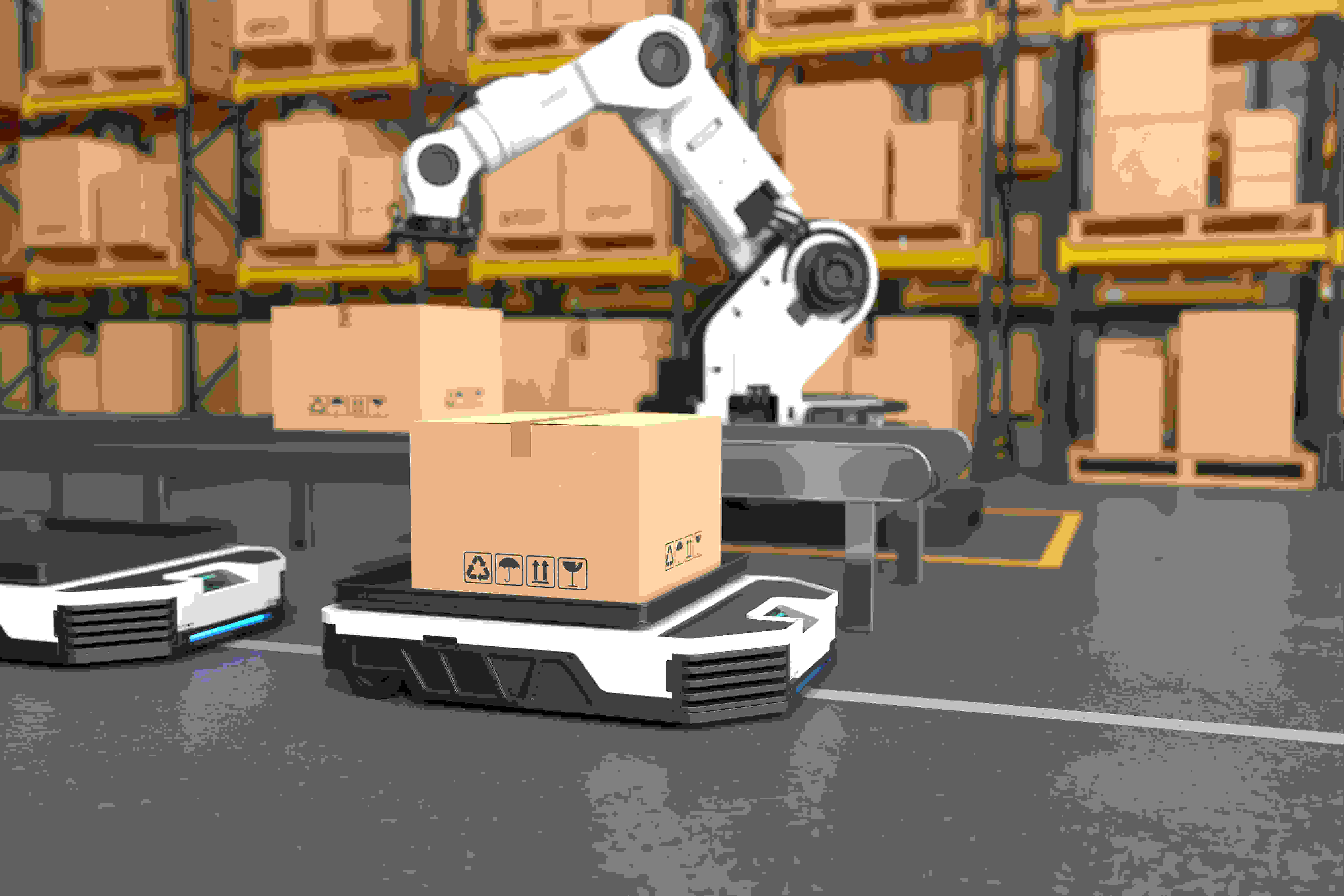
Traditional AI (or discriminative AI) refers to computer systems that use algorithms and logic to mimic human intelligence for specific, well-defined tasks. These systems learn from existing data to recognize patterns, make decisions, or automate rule-based processes.
Think of traditional AI as an expert analyst: highly effective within its specialized domain, but limited in scope.
Core functions:
- Analysis and prediction: Identifying patterns in data to forecast future outcomes (e.g., predicting customer churn or equipment failure).
- Classification: Categorizing data into predefined classes (e.g., spam detection in email, medical image analysis).
- Optimization: Finding the most efficient solution to a problem (e.g., optimizing supply chains or delivery routes).
- Automation: Automating repetitive, rule-based tasks (e.g., data entry, automated alerts).
Applications: Fraud detection, recommendation engines (like those on Netflix or Amazon), and most customer service chatbots that follow a predefined script.
What is Generative AI (GenAI)?
Generative AI is a powerful subset of AI that focuses on creating novel, original content by learning the underlying patterns and structures of its training data. Unlike traditional AI, which interprets existing information, GenAI produces new outputs that resemble human-created work, such as text, images, audio, or code.
Think of Generative AI as a creative collaborator: capable of brainstorming, drafting, and bringing new ideas to life based on simple natural language prompts.
Core functions:
- Content Creation: Generating blog posts, marketing copy, ad content, and articles from scratch.
- Design and Art: Creating unique digital art, product designs, or wireframes based on textual descriptions.
- Code Generation: Assisting developers by writing boilerplate code, debugging, or generating documentation.
- Simulation: Creating realistic synthetic data for training other AI models or simulating complex scenarios in healthcare or engineering.
Applications: ChatGPT, DALL-E, and GitHub Copilot are prime examples of GenAI models (specifically, large language models, or LLMs, and image generators) that have captured public attention.
Key Differences at a Glance
| Aspect | Traditional AI | Generative AI |
|---|---|---|
| Primary Goal | Analyze data, make predictions/decisions | Create new, original content |
| Output Type | Predictions, classifications, numerical scores, actions | Text, images, audio, code, designs |
| Creativity | Limited to applying learned patterns | High; produces novel and unique content |
| Training Data | Often relies on labeled, structured data | Requires massive, diverse, and often unlabeled datasets |
| User Interaction | Structured interfaces, automated alerts | Conversational, prompt-based, interactive refinement |
| Computational Needs | Generally moderate | High; requires significant processing power (GPUs/TPUs) |
Choosing the Right Tool for the Job
The choice between traditional AI and generative AI depends entirely on your objectives.
- Use traditional AI when you need precision, predictability, and efficiency in structured tasks, such as forecasting sales, detecting financial fraud, or optimizing logistics.
- Use generative AI when you need creativity, content acceleration, or dynamic user interaction, such as creating personalized marketing campaigns, rapidly prototyping new products, or enhancing customer service with natural language chatbots.
Smart businesses are discovering that the most powerful approach isn’t choosing one over the other, but integrating both. For example, a logistics firm might use traditional AI to optimize delivery routes and generative AI to draft and send real-time, personalized status updates to customers.
By understanding the distinct roles these two types of AI play, organizations can leverage their full potential to drive innovation and efficiency.