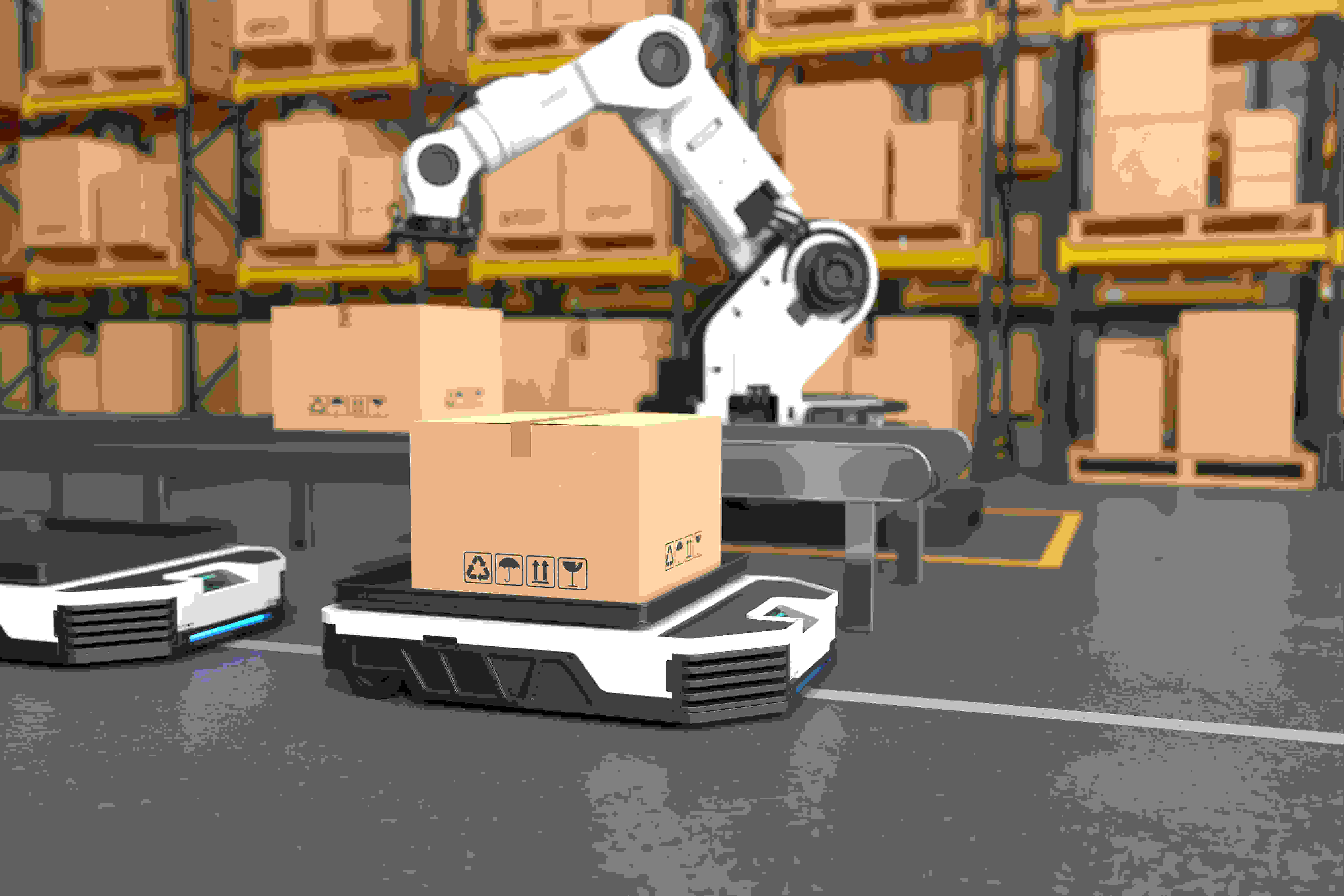
Artificial Intelligence (AI) is no longer a futuristic concept; it is fundamentally rewiring the DNA of modern enterprise operations and software development practices. The rapid integration of AI into these areas is driven by a need for enhanced efficiency, smarter decision-making, and a sustained competitive advantage in a data-centric world.
From automating mundane tasks to enabling complex reasoning, AI is reshaping how businesses operate and how developers build software.
Key Drivers and Benefits of AI Integration.
The swift adoption of AI in enterprise and development tools is propelled by tangible business benefits:
- Increased Operational Efficiency: AI automates repetitive, time-consuming tasks (e.g., data entry, test case generation, initial code snippets), freeing up human talent to focus on strategic, high-value work and innovation.
- Data-Driven Decision Making: AI algorithms can analyze massive datasets in real time, identifying patterns and trends that humans might miss. This provides actionable insights, leading to more informed and accurate decisions across all business functions.
- Cost Reduction: By optimizing resource allocation, improving process efficiency, and reducing errors, AI integration leads to significant cost savings in operations and maintenance.
- Enhanced Customer Experience: AI powers personalized user experiences, from AI-driven product recommendations in e-commerce to 24/7 intelligent chatbots in customer service, boosting engagement and loyalty.
- Faster Time to Market: By accelerating various stages of the software development lifecycle (SDLC), from requirements analysis to deployment, AI helps organizations bring products to market quicker.
Transformation in Software Development
AI is not just a bolt-on feature; it is transforming the entire software development lifecycle (SDLC) into a more dynamic and intelligent ecosystem.
- AI Copilots & Code Generation: Tools like GitHub Copilot and Cursor act as “AI pair programmers,” assisting with code completion, generating boilerplate code, and even creating entire functions, significantly boosting developer productivity and code quality.
- Automated Testing & QA: AI-driven testing frameworks generate test cases, identify gaps in coverage, and prioritize tests based on risk, leading to more reliable software releases and reduced testing cycles.
- DevOps & Deployment Optimization: AI enhances continuous integration and continuous delivery (CI/CD) pipelines by predicting deployment failures, optimizing release strategies, and providing intelligent monitoring to detect and resolve anomalies proactively.
- Project Management & Documentation: AI automates project management tasks like time estimation and resource allocation, and it can auto-generate and update technical documentation, ensuring information remains current and accessible.
Challenges and Considerations
Despite the massive potential, the path to successful AI integration comes with challenges:
- Data Quality and Availability: AI models require high-quality, unbiased, and relevant data for effective training and accurate results.
- Integration with Legacy Systems: Weaving modern AI capabilities into outdated, monolithic systems can be complex and expensive.
- Talent Shortage & Change Management: A significant gap in skilled AI professionals exists. Organizations must also manage internal resistance to change by training staff and emphasizing that AI augments, rather than replaces, human roles.
- Security, Ethics, and Compliance: AI systems introduce new security vulnerabilities and ethical considerations, necessitating robust governance frameworks, security audits, and transparency protocols to ensure responsible use and compliance with regulations like GDPR.
The Future: Agentic AI and Domain-Specific Models
Looking ahead, the enterprise AI landscape in 2025 and beyond will be shaped by several key trends:
- Agentic AI: The rise of autonomous AI agents capable of observing, reasoning, and executing complex, multi-step workflows without constant human input.
- Domain-Specific AI: A shift from general-purpose AI models to specialized, industry-specific models (e.g., in healthcare, finance, or logistics) that offer greater accuracy and compliance with niche regulations.
- AI Governance as a Priority: Tighter global regulations will make robust AI governance and auditability essential for maintaining trust and avoiding penalties.
The rapid integration of AI is not just a technological upgrade; it is a strategic imperative that is redefining competitiveness. Businesses that embrace AI thoughtfully—with a clear strategy, a focus on data quality, and investment in their workforce—will be well-positioned to lead in the intelligent, automated era of software and enterprise operations.
For organizations looking to integrate AI, focusing on pilot projects with clear ROI and partnering with experienced AI development companies can help navigate the complexities and accelerate the journey to becoming an AI-driven enterprise.